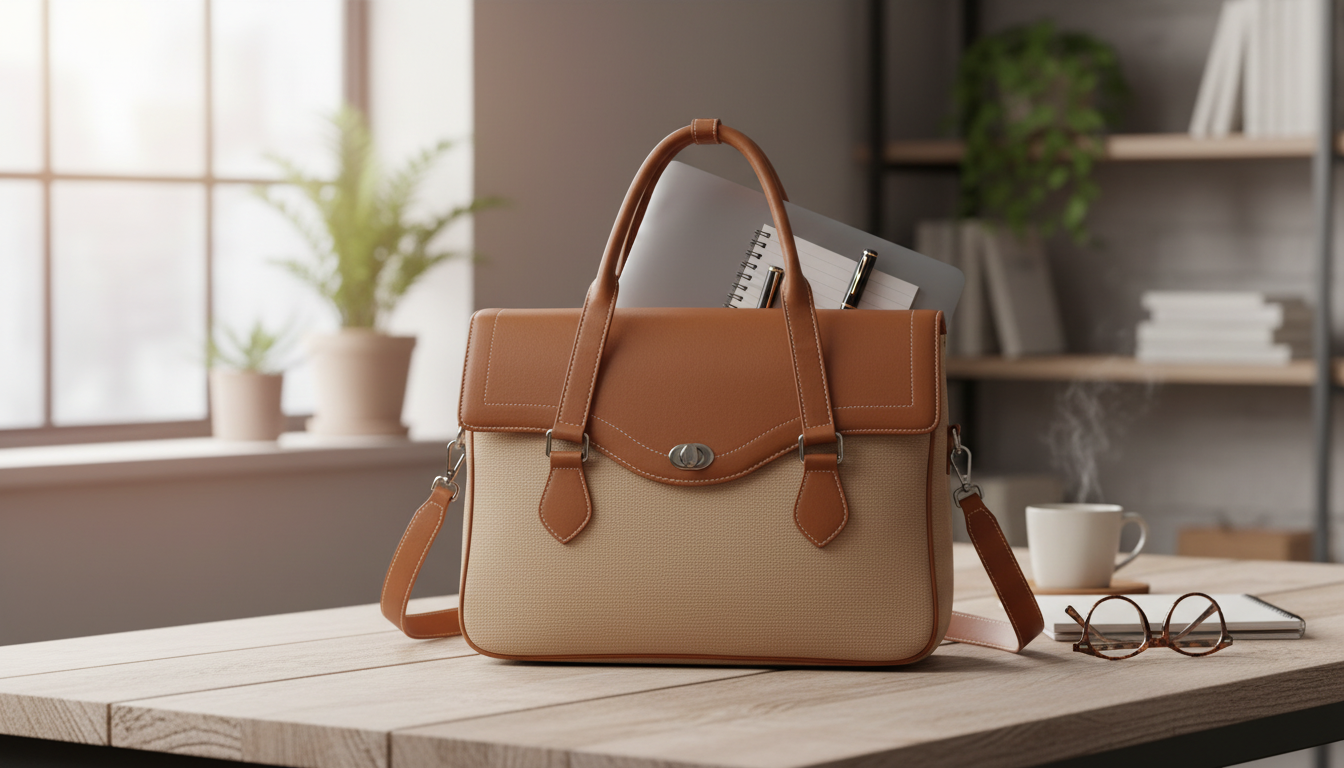
No single brand is “best” for leather in every category, because leather quality depends on the hide (full-grain vs. corrected grain), tanning method (vegetable vs. chrome), finishing, stitching, hardware, and how the product is built for its intended use. The best choice is the brand that consistently matches your needs—whether that’s a rugged everyday belt, a dress shoe with a refined finish, or a bag made to age beautifully for decades.
Start with the leather itself. Brands that clearly state “full-grain” (and back it up with visible natural markings and a rich patina over time) tend to outperform vague descriptions like “genuine leather.” Next, evaluate construction: tight, even stitching; reinforced stress points; and quality linings matter as much as the hide. Hardware is another tell—solid brass, stainless steel, or high-grade zippers generally outlast plated alternatives.
Different makers excel at different items. Footwear brands may invest heavily in last design, welted construction, and outsole quality, while leather goods brands may focus on edge finishing, skiving, and panel alignment. A “best” brand for boots may not be the best brand for a wallet. If longevity is the priority, look for repairability (replaceable soles, serviceable zippers, accessible stitching) and a track record of honoring warranties.
Check whether the brand discloses the tannery, leather type, and construction method—transparent brands usually have fewer surprises. Read reviews that mention aging after six months or a year, not just first impressions. Finally, consider care: even premium leather can crack or stain if it isn’t conditioned and protected appropriately.
For a deeper breakdown of what separates truly excellent leather goods from average ones, visit the full guide on which brand is best for leather.
Full-grain leather keeps the hide’s natural surface intact for maximum durability and patina. Top-grain is sanded and finished for a more uniform look, often sacrificing some toughness and aging character.



Leave a comment